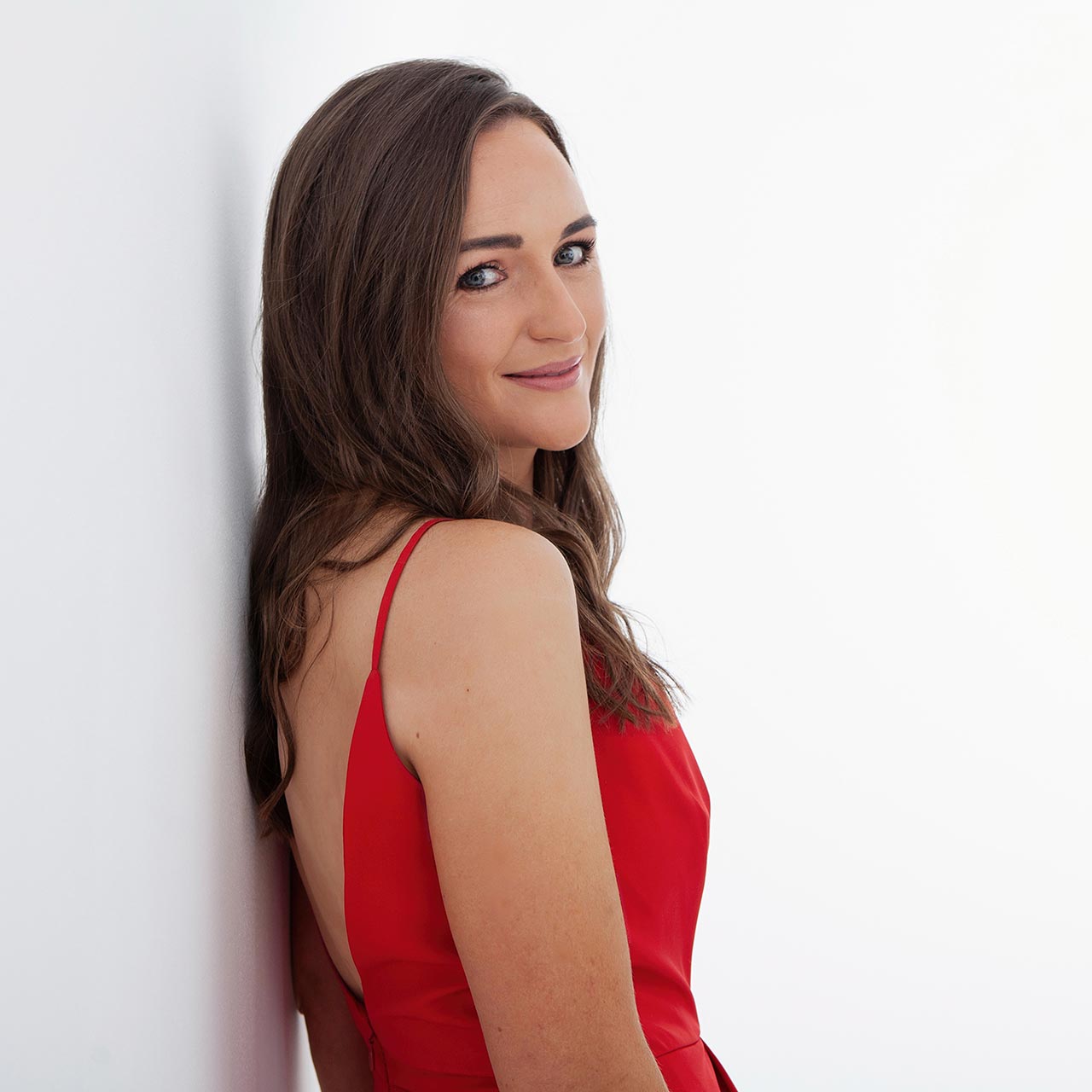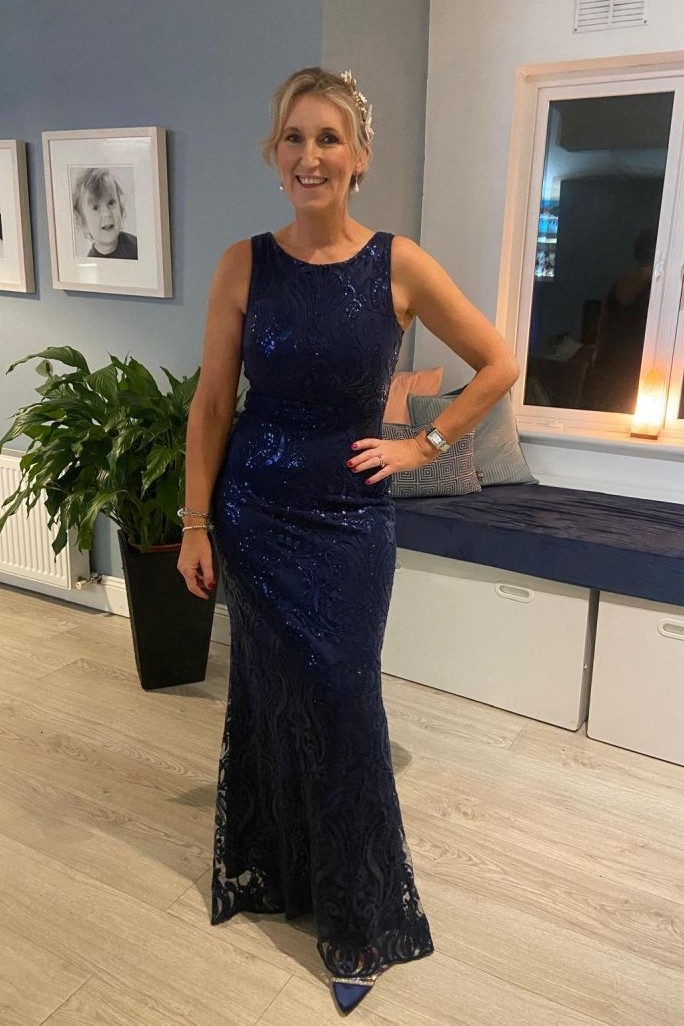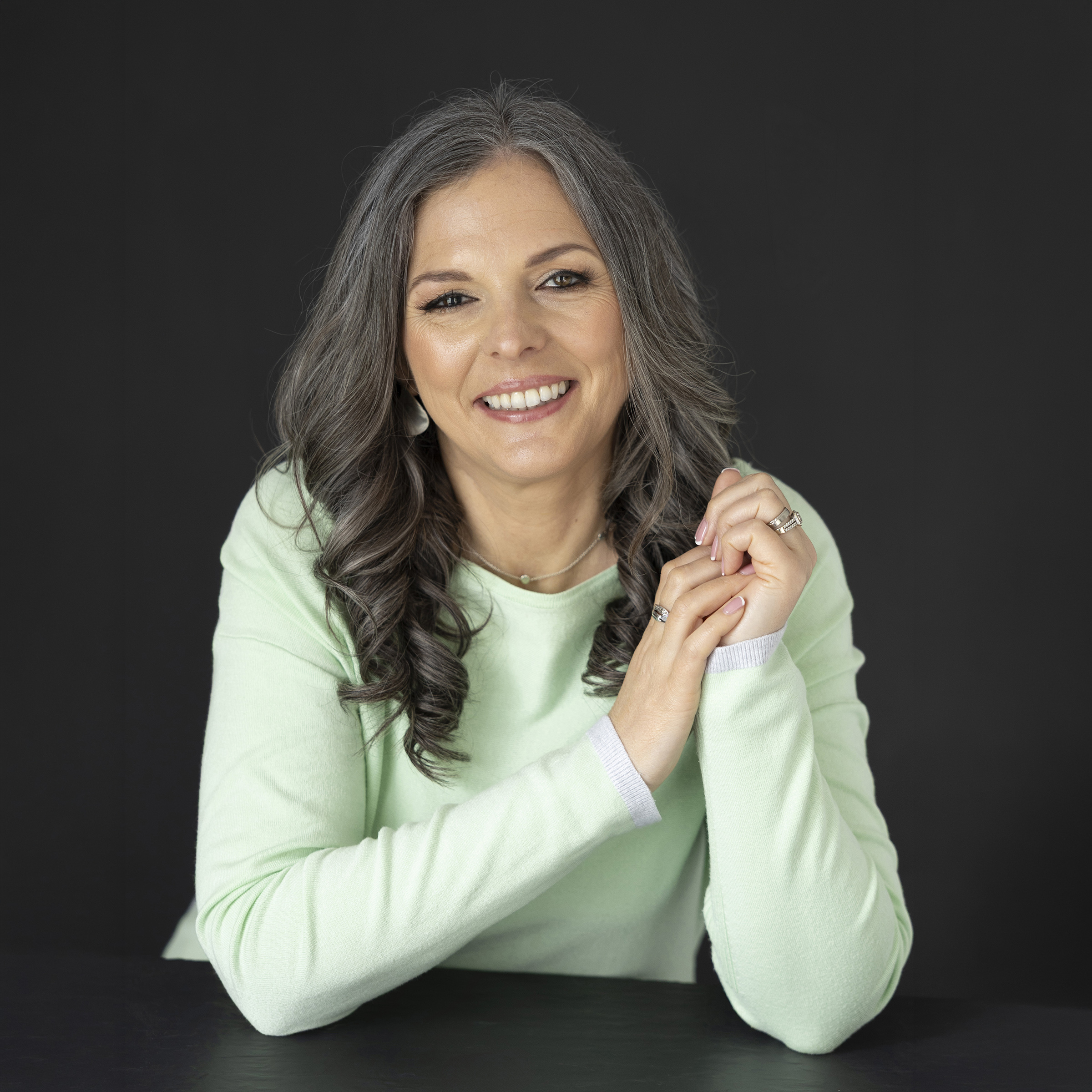
"I'm not photogenic." It's the line I hear more than any other. Usually whispered. Usually delivered with a small, apologetic laugh. Usually said before the person has even taken off their coat.
I always tell them the same thing. You're in good company. That's exactly what the woman before you said. And the man before her. And every single one of my favourite clients.
It is, by miles, the most common opening line in my studio. And after eighteen years of looking through a viewfinder at people who were sure the camera didn't love them back, I've come to a simple, useful conclusion.
Nobody is un-photogenic. There are only photographs taken without enough care.
The two things "not photogenic" actually means.
When a client tells me they're not photogenic, what they almost always mean is one of two things.
The first: they have a memory of a bad photo. A school picture in unflattering light. A passport photo where a tired, fluorescent kiosk camera caught them mid-blink. A wedding shot where a well-meaning relative held the camera too low. A Zoom screenshot. These photos exist in their head as evidence: see, the camera doesn't like me.
The second: they don't know what to do with their face. Where to put their hands. Whether to smile or not. Whether the smile they're giving looks like a real smile or a hostage smile. Whether they should suck their cheeks in. Whether their nose looks bigger from this angle.
Both are completely normal. Neither has anything to do with their actual face.
What a professional photographer is actually for.
If your photographer is good, they're doing three jobs at once. The first is technical: choosing the lens, the lighting, the angle, the moment. The second is creative: framing the shot so it tells a story about you, not just records your face. The third is the one most people don't think about, and it's the one that matters most:
They are directing you.
I direct every single second of a session. Chin slightly down. Drop your shoulders. Now lean towards me. Hold, that's it. Don't smile yet, just breathe. Now think about something funny. Don't tell me what. A good portrait isn't taken, it's built, usually in the space of three or four minutes between two people who are paying attention to each other.
If you've never had a photo you love, the most likely reason isn't your face. It's that nobody has ever directed you properly.
The woman who arrived in tears.
A client booked a session a few years back as a 50th birthday gift to herself. She walked into the studio, sat on the chair, and burst into tears. She apologised. She said she'd been dreading it for two weeks. She'd nearly cancelled three times. She told me, you guessed it, that she wasn't photogenic.
We made tea. We talked about her grandchildren. We talked about a holiday she'd been on. By the time we got to the camera, she had stopped apologising for being there. The session ran an hour. By the end of it she was laughing.
The day of the viewing, she ordered three large prints. One for herself. One for her mother. One for her daughter. She told me later that her mother cried when she opened it. Not a sad cry. The other kind.
That's a portrait doing its actual job. Not flattering you. Not tricking the camera. Just showing you, on a day when you felt like yourself, photographed by someone who was paying close attention.
Ready to be photographed properly?
Studio in Enfield, Co. Meath. Calm, fully guided, designed for people who don't think they're photogenic.
See Headshot Sessions →What you can do, even before the shoot.
If you're booked in (with me or anyone else), here are the four things that will make the biggest difference, all of which have nothing to do with being naturally photogenic:
1. Sleep. Tired faces photograph as tired faces. There's no lighting trick that fully fixes a bad night.
2. Eat something. A hungry face is a tense face. It's much harder to look relaxed when your blood sugar is on the floor.
3. Trust the direction. If your photographer asks you to lean forward, lean forward. If they say drop your shoulders, drop them. They can see things in the viewfinder you can't see in the mirror.
4. Allow yourself to be surprised. Most of my clients tell me, after the viewing, that they didn't recognise themselves, in a good way. The phrase I hear over and over is, "I look like me, but the version of me I never get to see." That version is in there. Promise.
The one thing I'd ask you to stop saying.
Stop telling yourself you're not photogenic. It is, with respect, almost never true. It is a story we get told as children when somebody catches us mid-sneeze, and it sticks for decades.
You don't need to be more photogenic. You need a photographer who has the time, the calm and the experience to direct you. That's all it has ever been.
And if you've made it to the bottom of this article still telling yourself you're the exception, come into the studio. We'll have a chat. We'll make tea. I'll show you otherwise.